


Does your jaw pop when you chew? Does it click or make noise when you yawn? Do you or your child have jaw pain or fatigue after meals? These could be signs of jaw misalignment or irritation in the temporomandibular joint (TMJ).
Occasional popping is usually harmless, but frequent popping or discomfort may point to a jaw imbalance or bite issue that’s worth checking out. At Fergus Orthodontics, we can evaluate the cause of the problem and determine whether orthodontic care might help.
Why Does My Child’s Jaw Pop?
Hearing your child’s jaw pop can be unsettling. The sound can happen for several reasons, and not all of them are serious. Some of the most common causes include:
- Malocclusion (a misaligned bite)
- Uneven or abnormal jaw growth
- Bruxism (teeth grinding or clenching)
- Muscle tension from stress
- Temporomandibular joint disorder (TMD)
- Arthritis
- Injury to the jaw joint
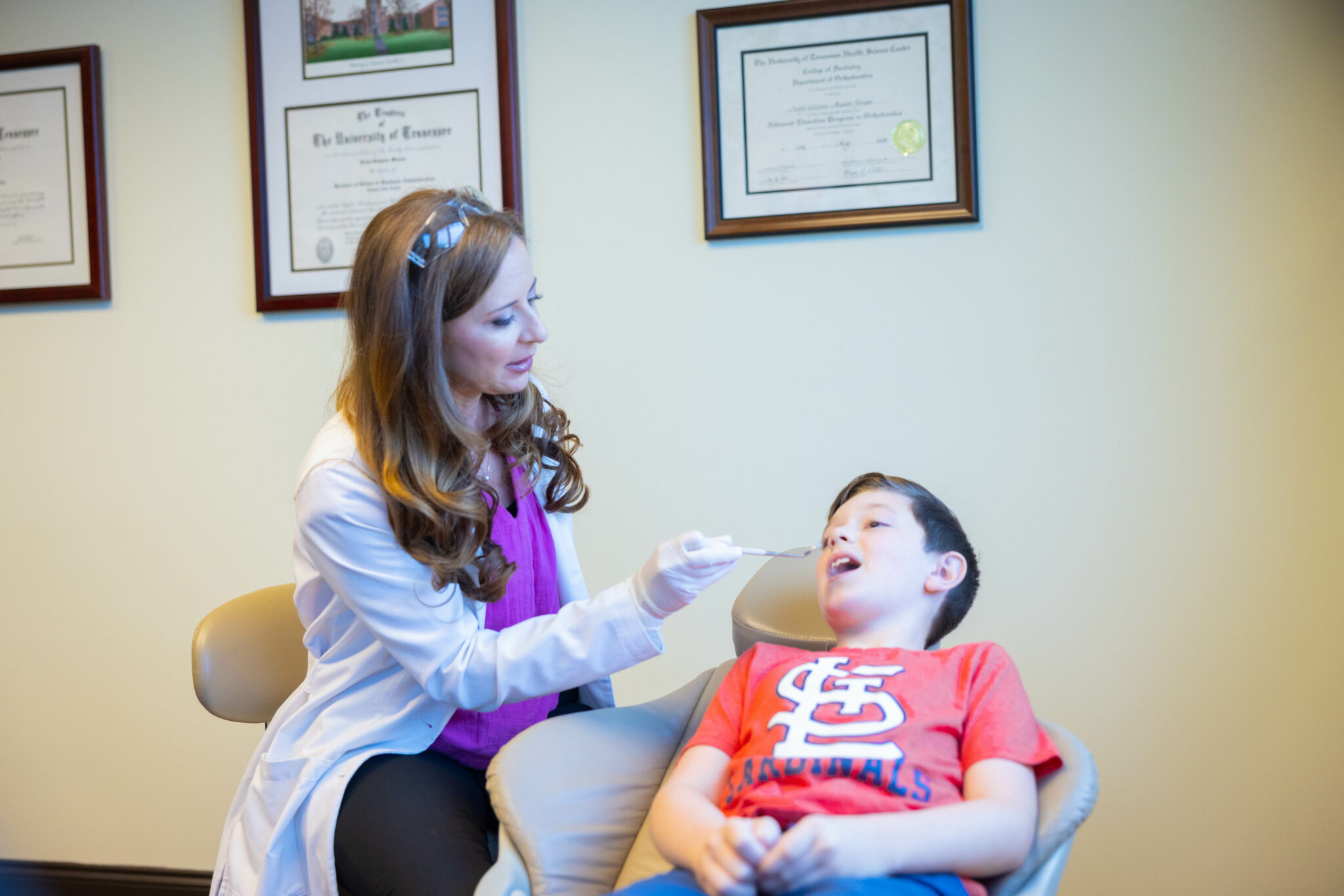
Because these conditions can overlap, it’s challenging to know the exact cause without a professional exam. At Fergus Orthodontics, we use digital imaging and X-rays to evaluate the joint, teeth, and bite before recommending any treatment.
Is Jaw Popping Always a Problem?
Not always. Many people experience jaw popping occasionally—like when yawning or opening the mouth wide—and that’s typically normal.
However, if the popping occurs daily, is painful, or is accompanied by other symptoms, it could signal a problem with how the teeth or jaws are working together. Other signs may include:
- Jaw pain or tightness
- Facial or ear pain
- Headaches or neck aches
- Jaw fatigue when eating
- Stiffness or difficulty opening the mouth
If these symptoms sound familiar, it’s a good idea to schedule an evaluation to determine what’s going on.
Can Braces Help With Jaw Popping?
In some cases, yes, orthodontic treatment can help reduce jaw stress that contributes to popping or pain. It depends on what’s causing the problem.
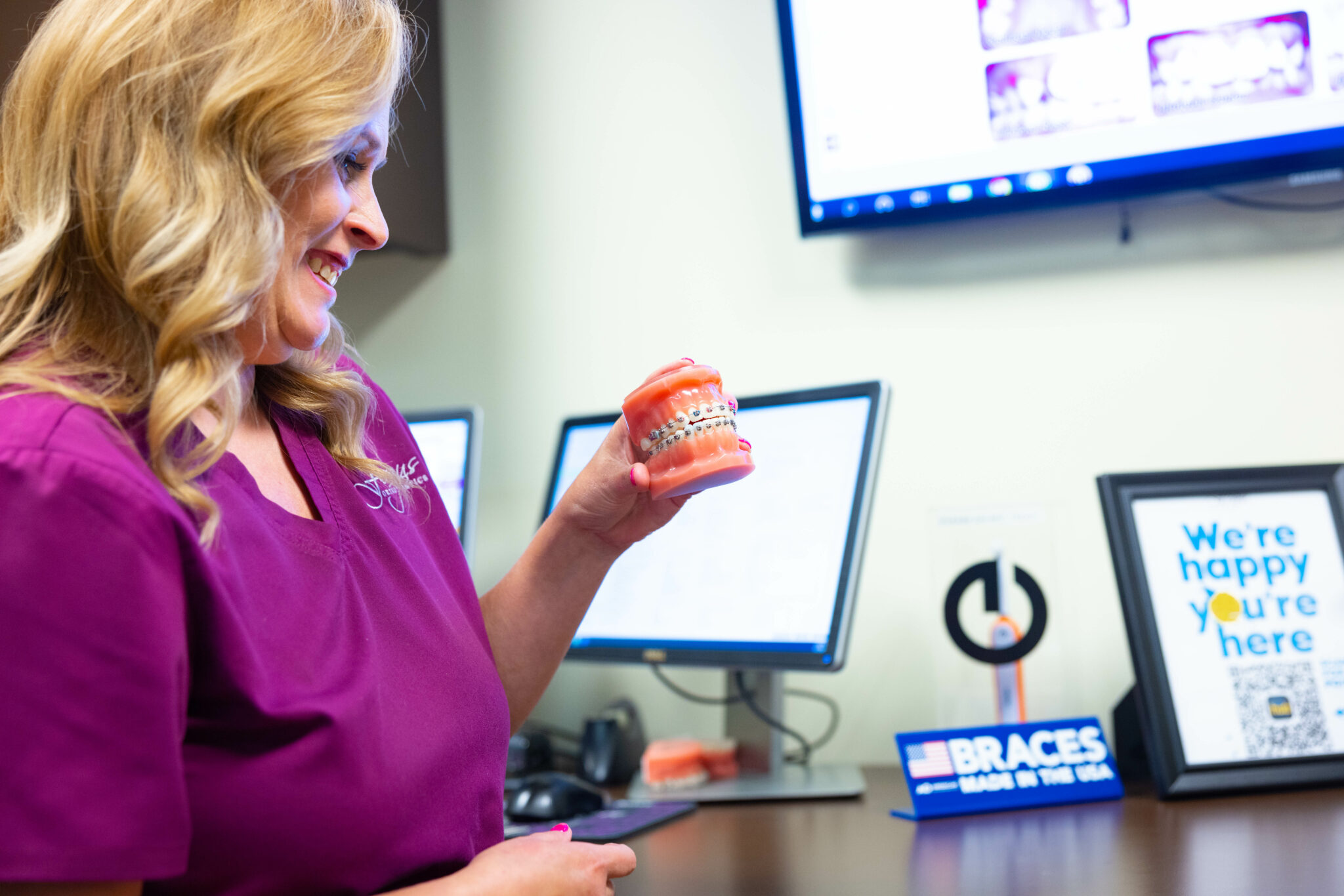
If jaw popping is linked to malocclusion, braces or clear aligners can gradually reposition the teeth and improve jaw alignment. Correcting the bite can often relieve unnecessary strain on the joint.
Other causes of jaw popping may require different approaches, such as:
- A night guard to protect teeth from grinding and reduce muscle tension
- Stress management techniques for when clenching happens during stressful periods
- Physical or myofunctional therapy to relax the jaw muscles
- In rare or advanced cases, referral for surgical evaluation
Braces can be one part of an overall plan to restore balance and reduce symptoms, but not every case of jaw popping requires them. A complete exam helps determine the best path forward.
Can Orthodontics Help With Jaw Growth Issues?
Sometimes jaw popping is related to how the jaws develop. If one jaw grows faster or slower than the other, the imbalance can cause uneven movement or joint stress.
For children, orthodontic appliances such as palate expanders or jaw expanders can gently guide proper growth and alignment. These devices apply light, consistent pressure to help the jaws fit together more evenly.
Early evaluation is key. Orthodontists can identify subtle growth pattern issues that aren’t always visible at home. You might notice mild facial asymmetry or a smaller chin, but only an exam with imaging can confirm if jaw development is off track.
When Should You See an Orthodontist?
If your child frequently experiences jaw popping, discomfort, or headaches, it’s a good time to schedule an orthodontic evaluation.
The American Association of Orthodontists (AAO) recommends that children see an orthodontist by age 7. At that age, the jaw is still developing, which allows us to make small adjustments before problems worsen.
You should schedule a visit if your child:
- Complains of frequent jaw pain or clicking
- Constantly moves or stretches their jaw to relieve tension
- Experiences difficulty chewing or discomfort when eating
- Has regular headaches, ear pain, or facial soreness
An early evaluation gives us the best chance to correct bite alignment before it leads to more serious strain or wear.
FAQs About Jaw Popping
Will jaw popping get worse over time?
It can if the underlying cause isn’t treated. Identifying the reason early helps prevent additional strain on the teeth and jaw joints.
Can braces fix jaw popping or TMJ disorder?
Sometimes. If the issue is related to bite alignment, orthodontic treatment can help improve jaw function. Other causes, such as stress, injury, or arthritis, may require different care.
Do I need braces if my jaw doesn’t pop?
Not necessarily. Jaw popping is one possible sign of a misaligned bite, but it’s not the only one. Crowding, spacing, overbites, underbites, or uneven wear can all indicate a need for orthodontic evaluation.
Jaw Popping Relief in Jonesboro, AR
Jaw popping doesn’t always mean something serious, but frequent pain or clicking should be checked out. The good news is that many cases can be managed or improved with early care.
At Fergus Orthodontics in Jonesboro, AR, our team can assess your bite and jaw movement, explain your options, and create a personalized plan for lasting comfort and a balanced, healthy smile.
If you or your child is experiencing frequent jaw popping, schedule a consultation today. Let’s identify the cause and see how orthodontic care can help restore your smile and comfort.